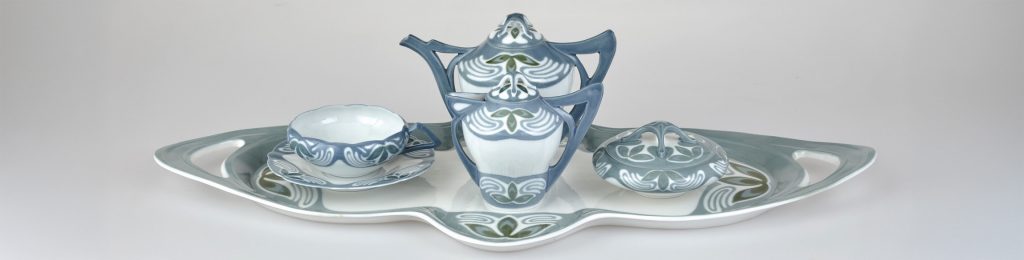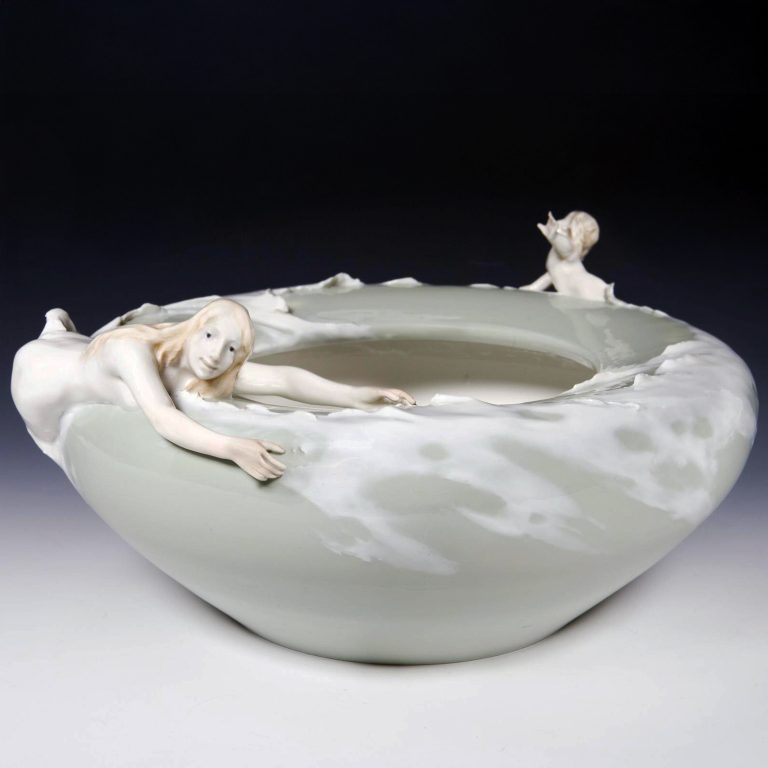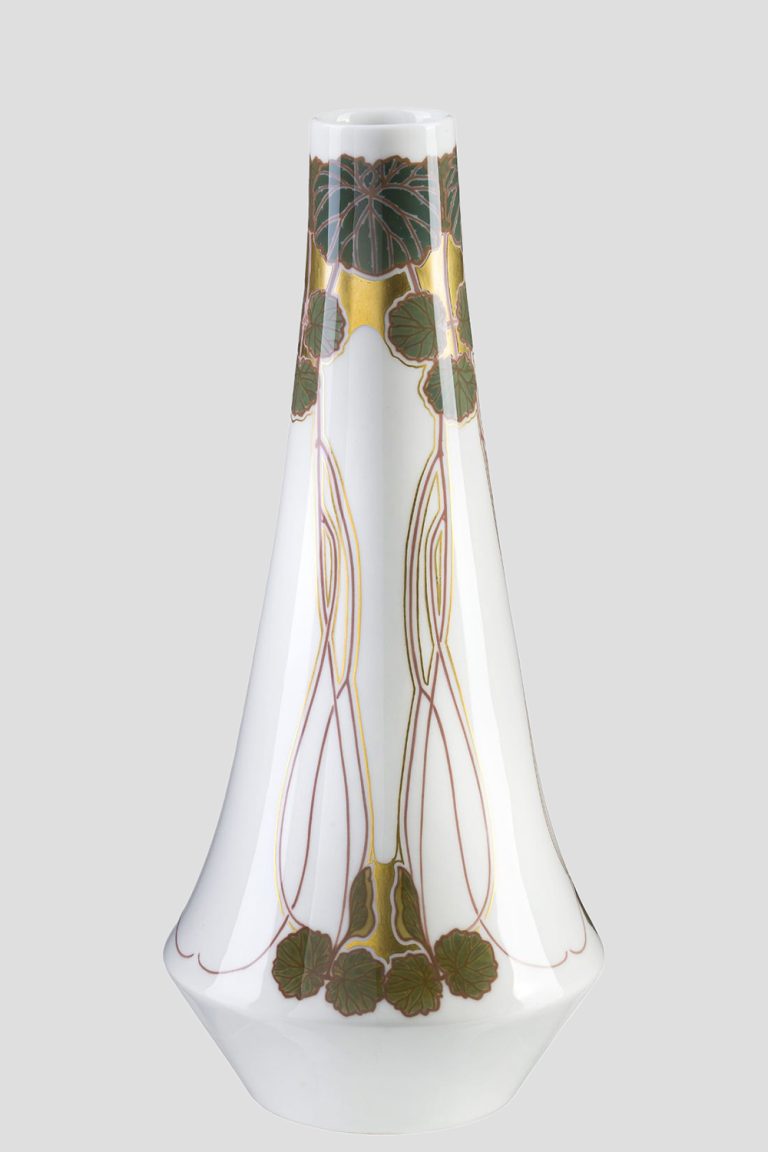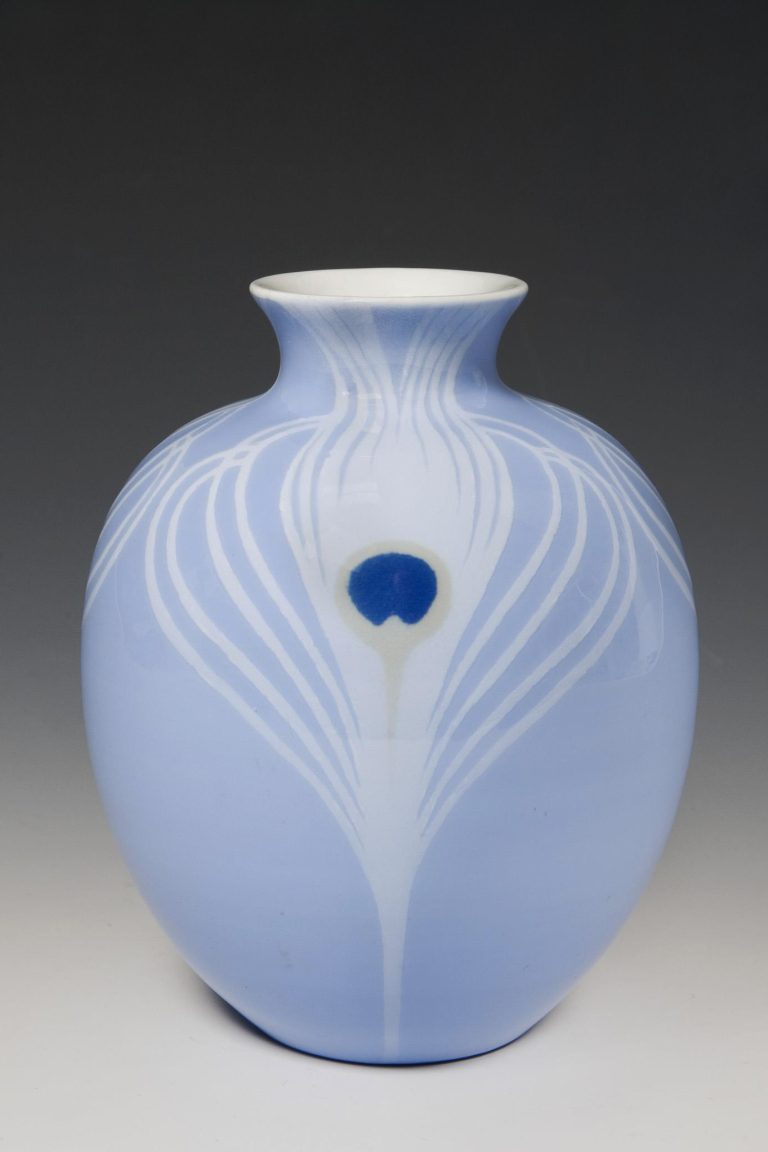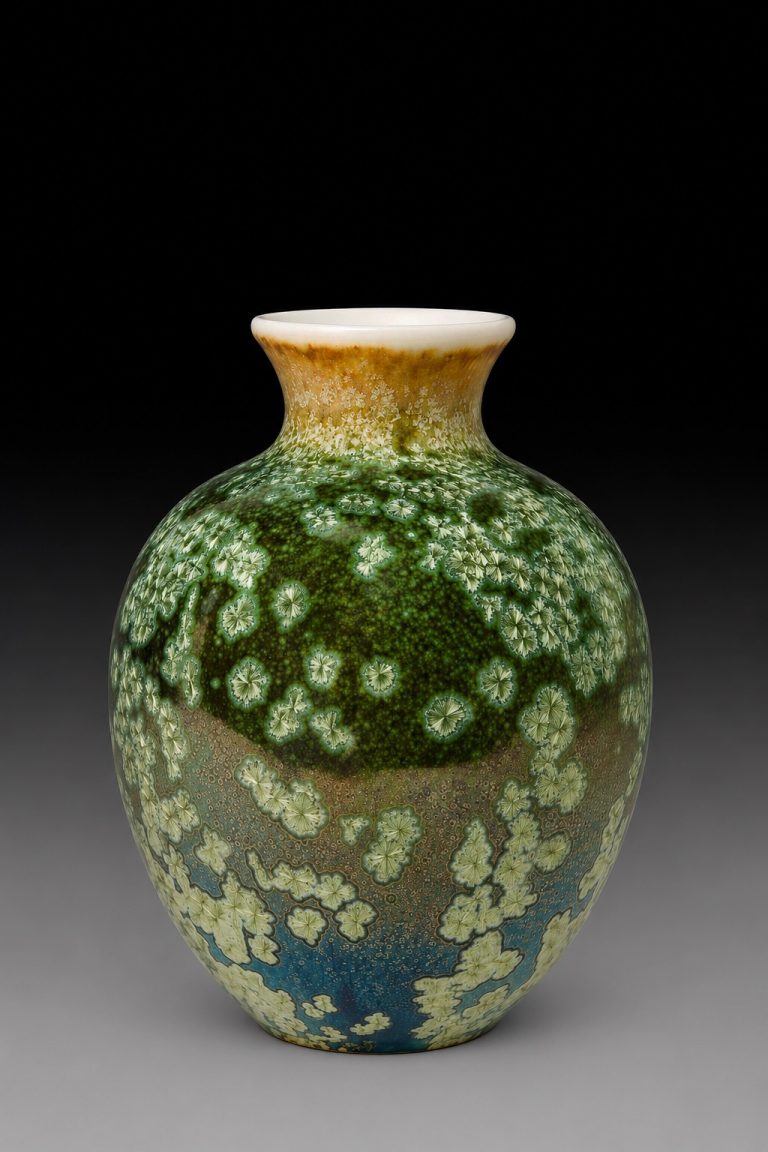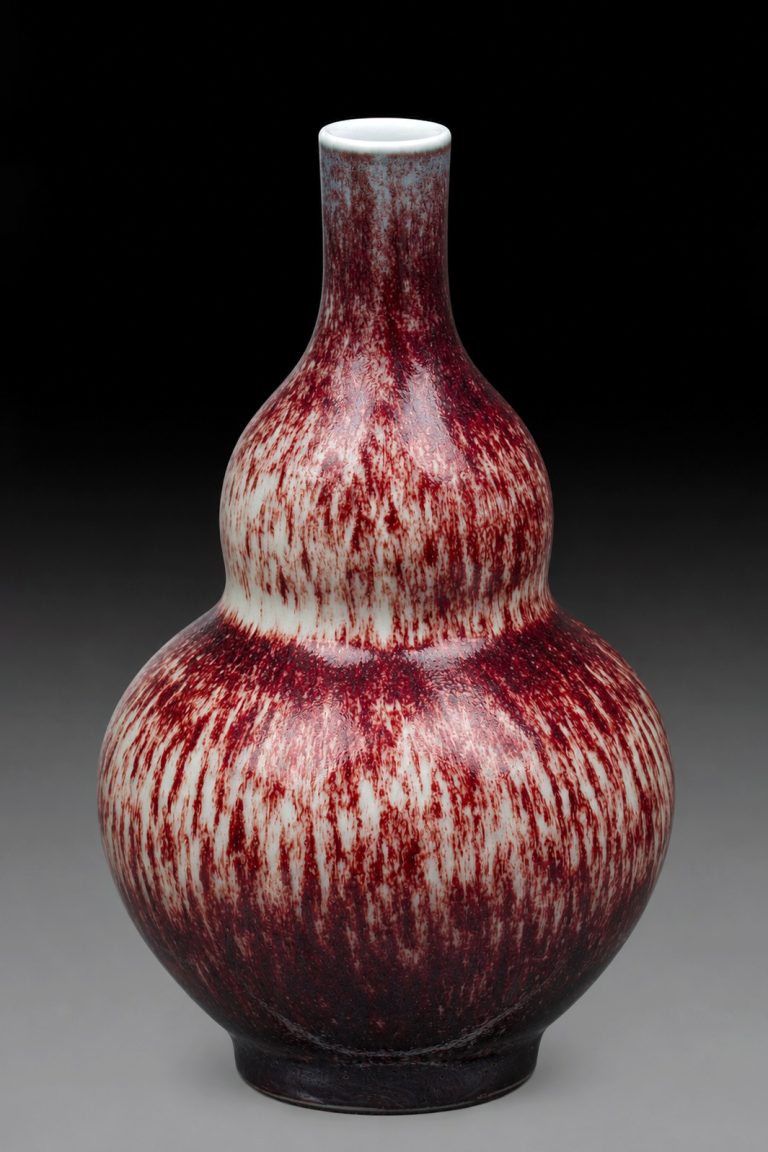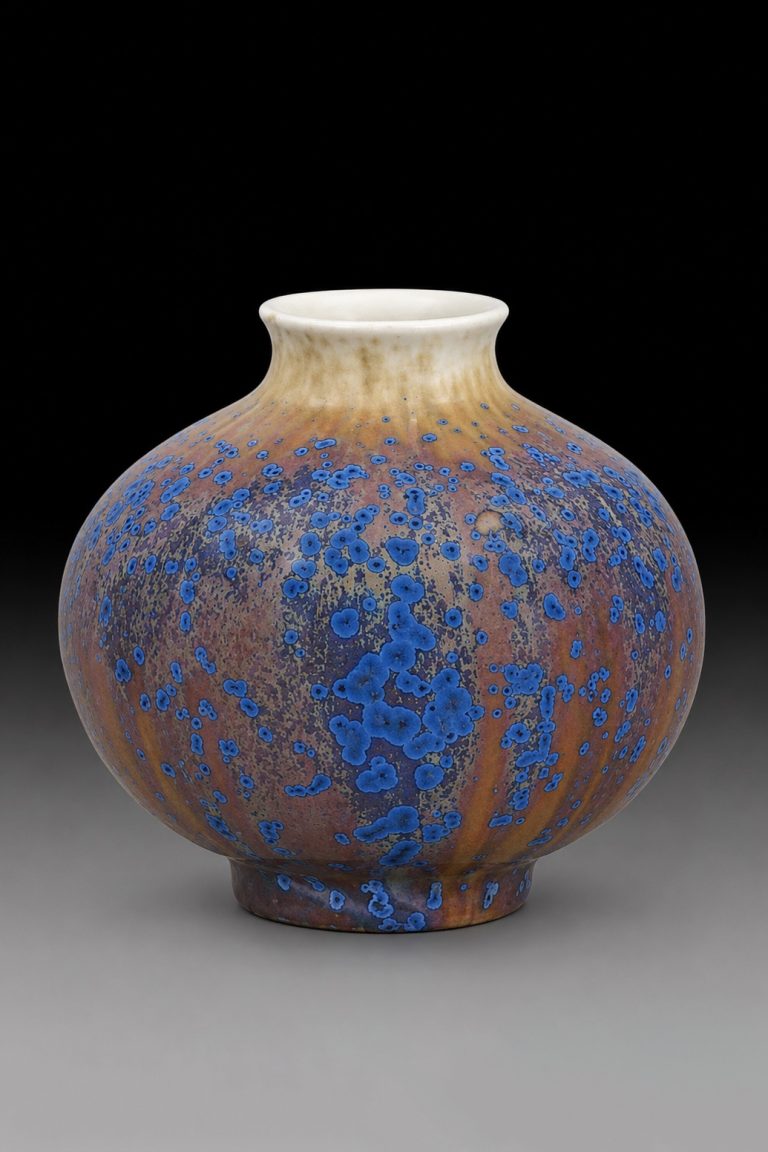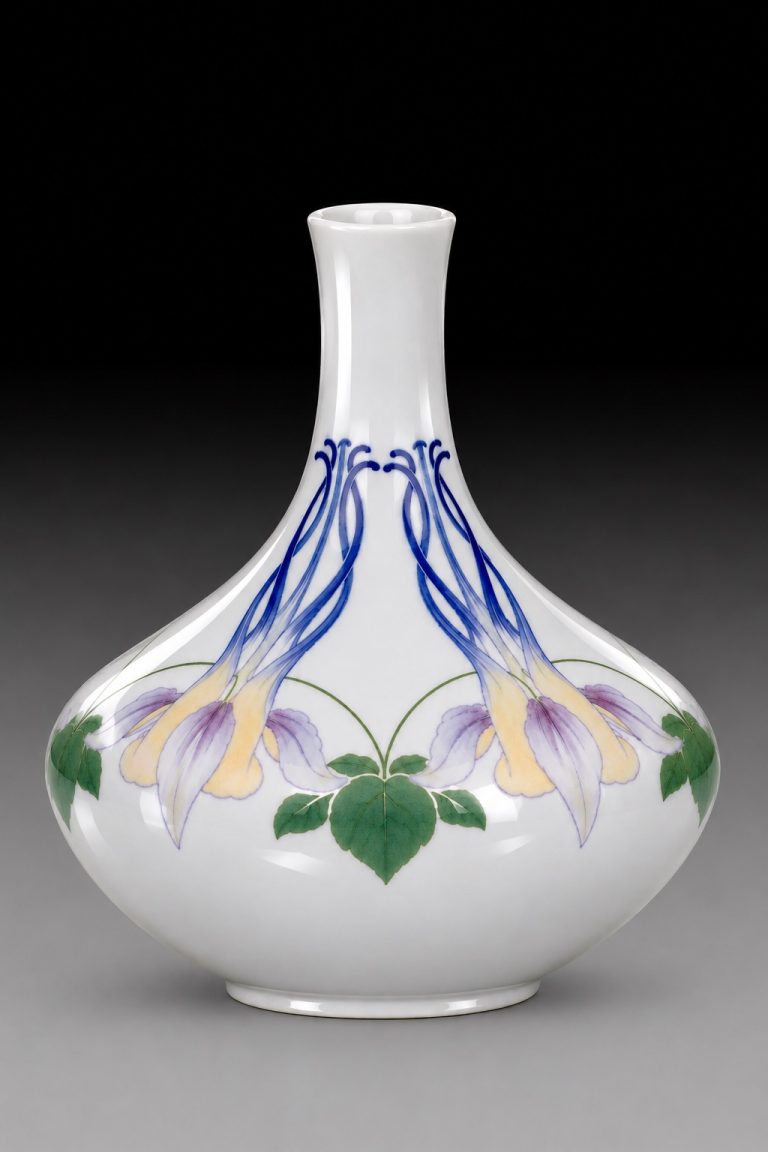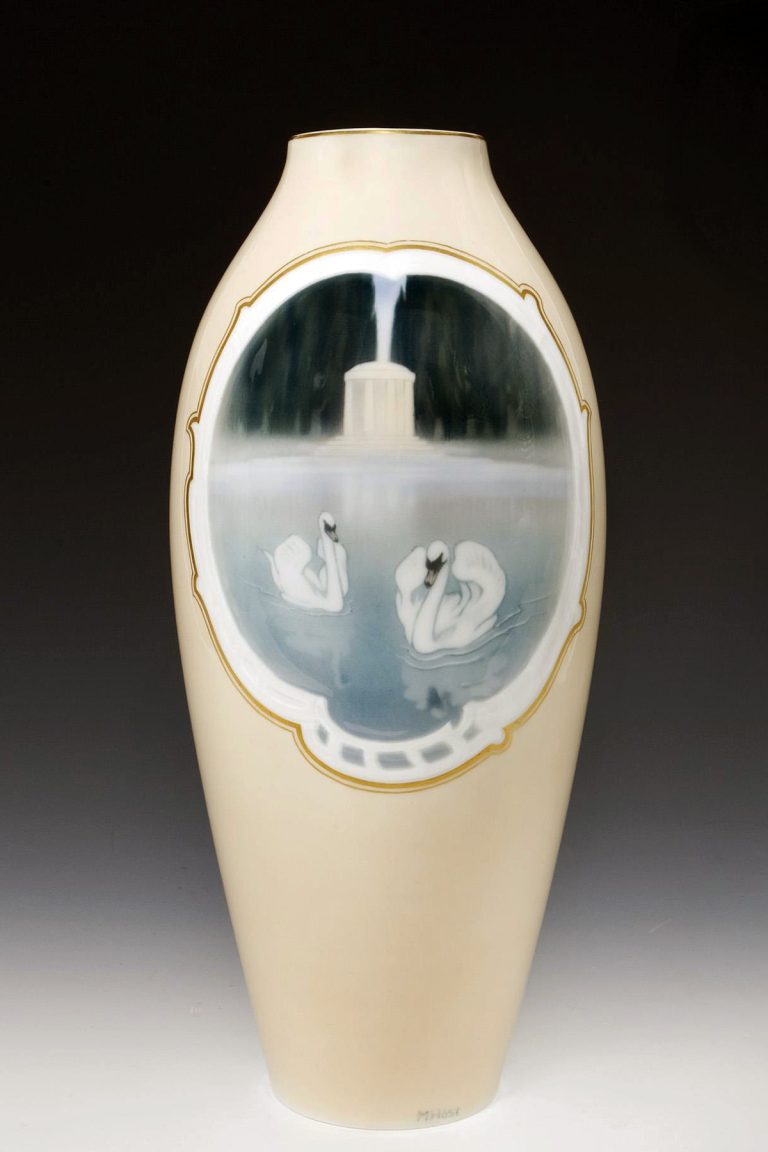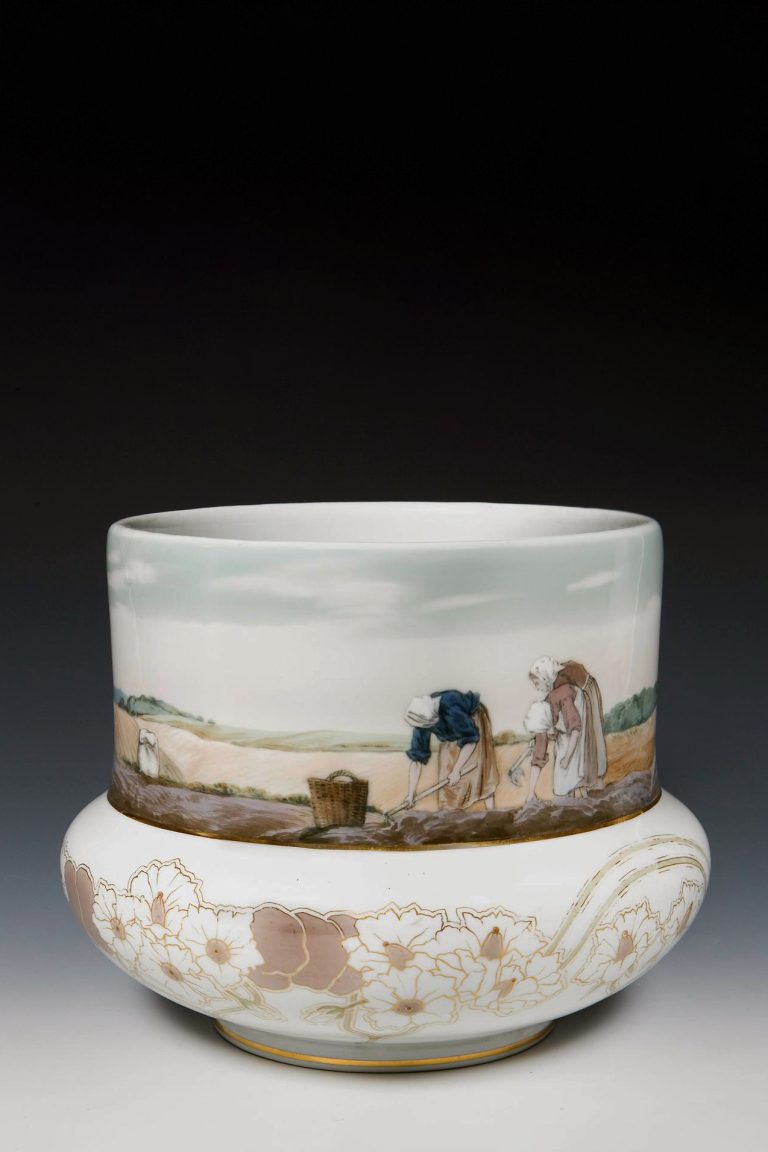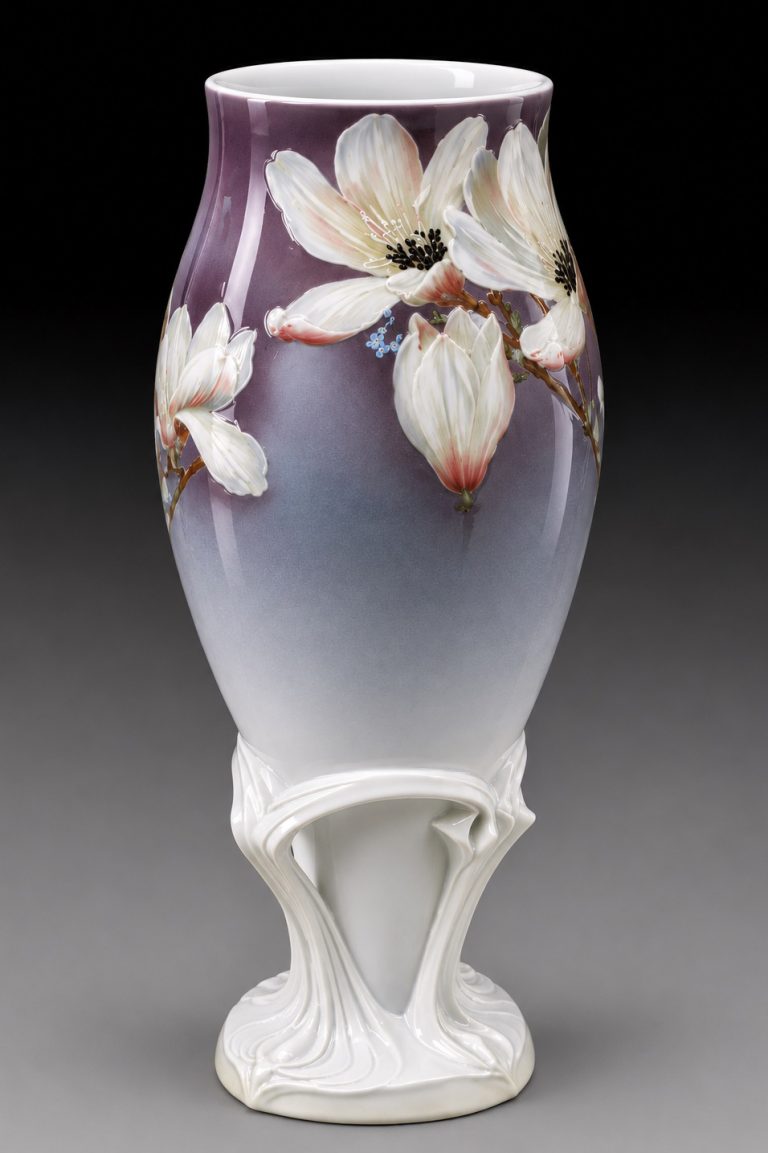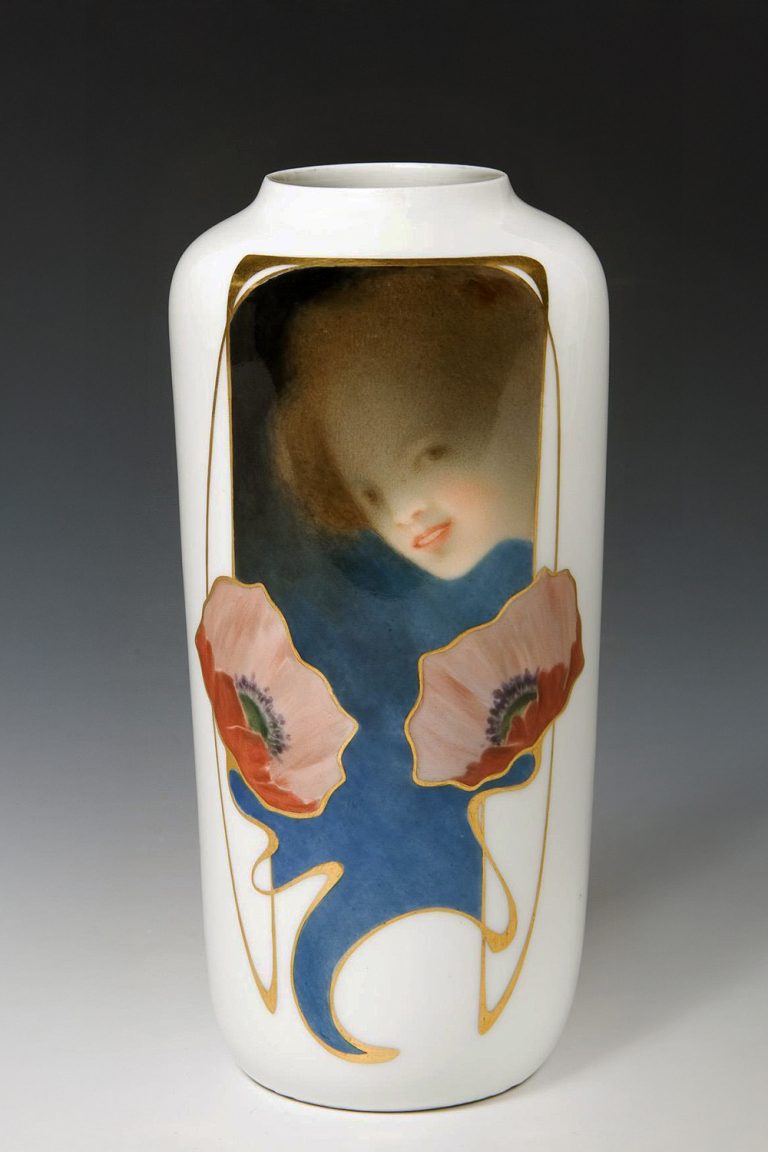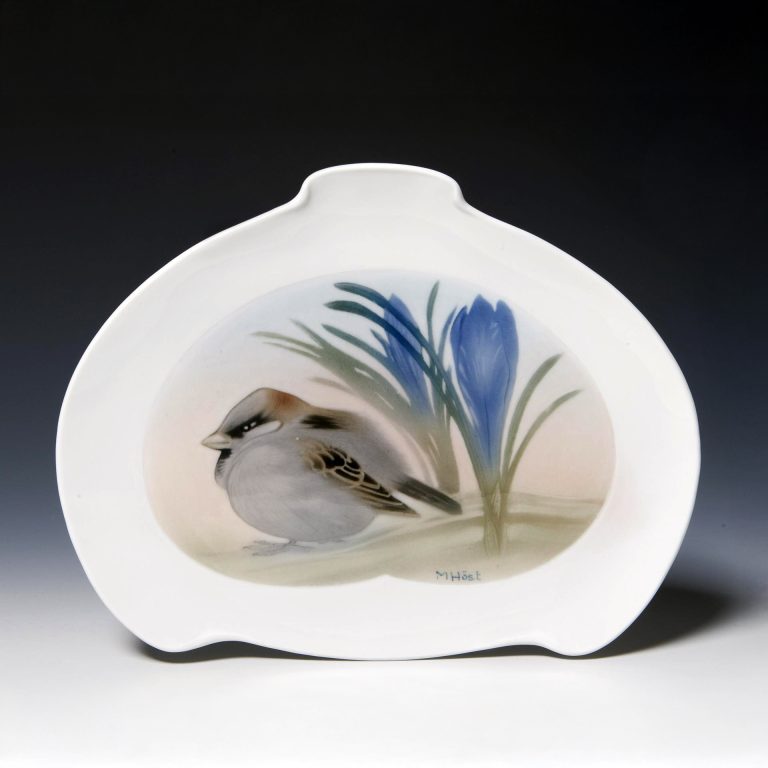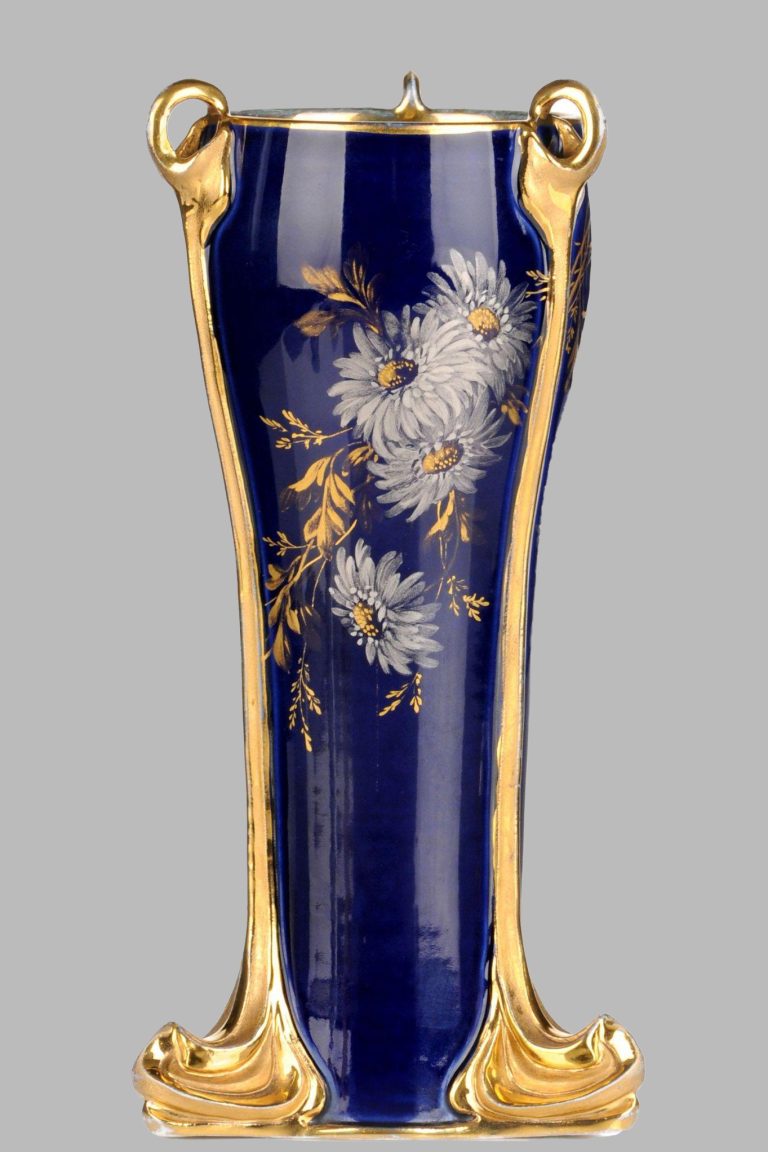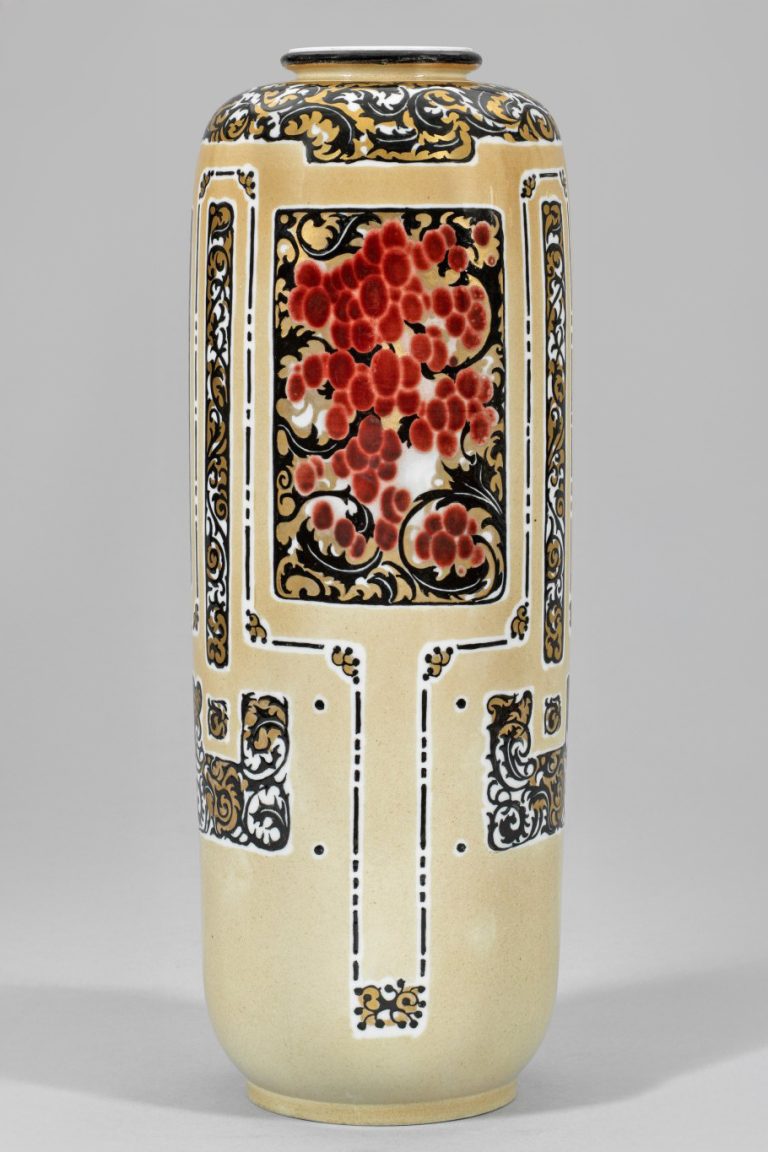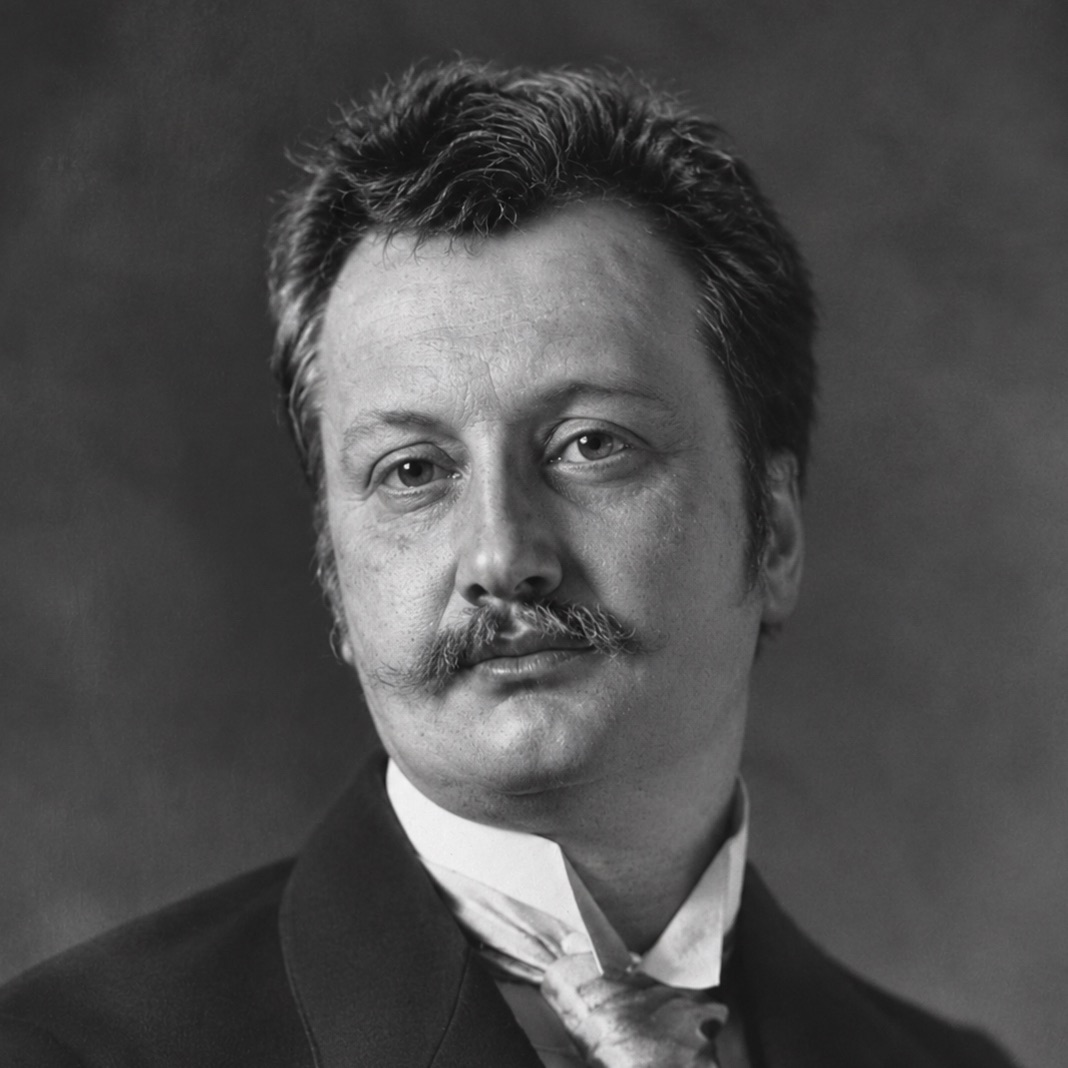
German genre and porcelain painter who became one of the driving forces behind Art Nouveau (Jugendstil) movement at the Meissen Porcelain Manufactory. Studied at the Dresden Academy of Art. Joined the Royal Saxon Porcelain Manufactory as an assistant to the head painter, eventually serving as the head of the painting department (Malerleiter) from 1905 to 1909.
Grust was celebrated for modernizing traditional tableware and decorative forms with fluid, organic, and linear Jugendstil motifs. Moving away from the factory’s heavy historicist styles, he created iconic tableware patterns such as the Kleeblattdekor (cloverleaf pattern), Bügeldekor (stirrup/band pattern), and Misnia, alongside monumental vase shapes featuring symbolist figures and botanical trellises. His innovative designs earned him the Grand Silver Medal at the 1900 Paris World’s Fair, cementing his legacy as a key transitional figure who bridged Meissen’s 19th-century craftsmanship with 20th-century modern design.
As leading experts on antique Meissen porcelain, we provide free online appraisals and help with selling Meissen figurines and vases. If you happen to own one and would like to find out its current market value, CONTACT US and we’ll be more than happy to assist you in timely manner.