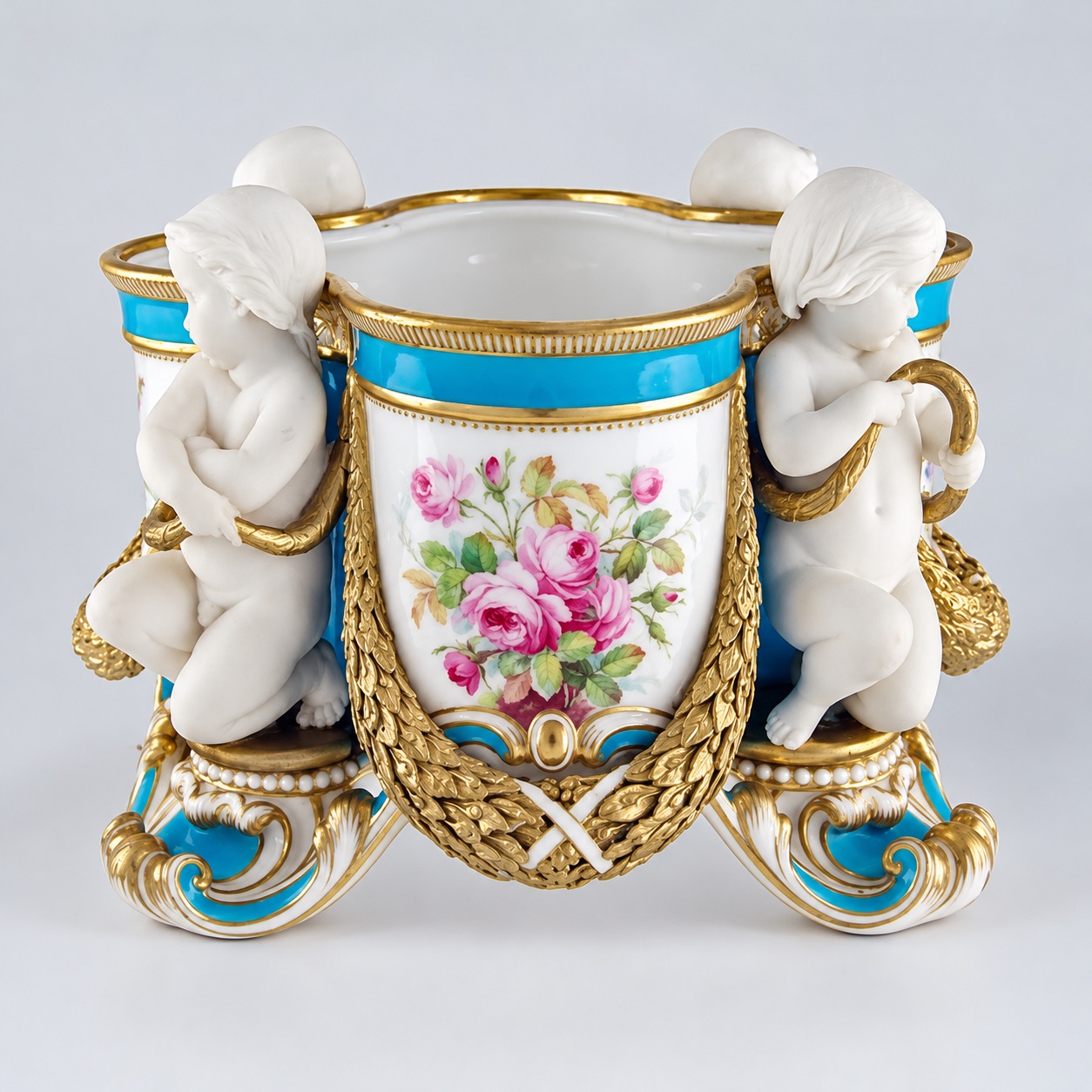
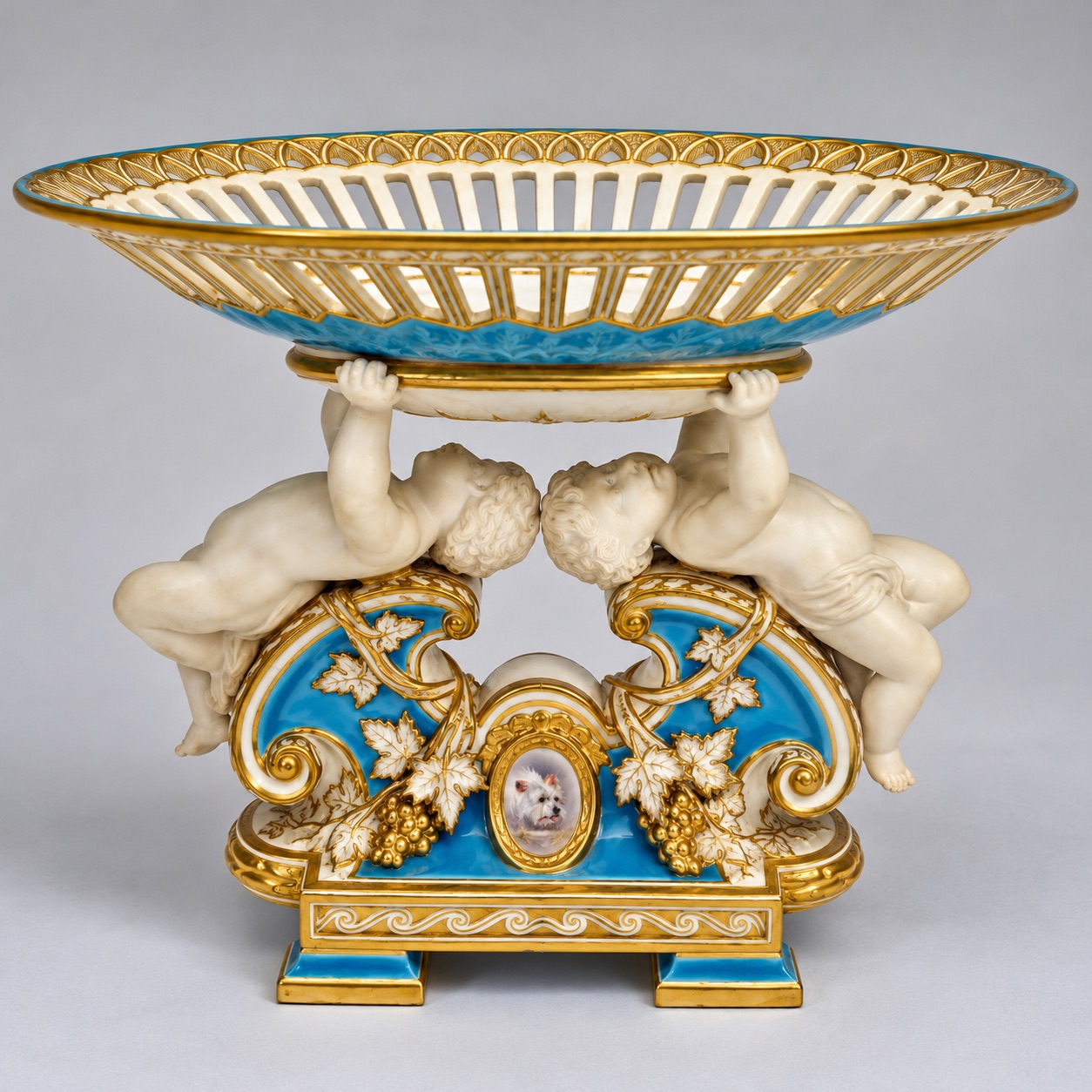
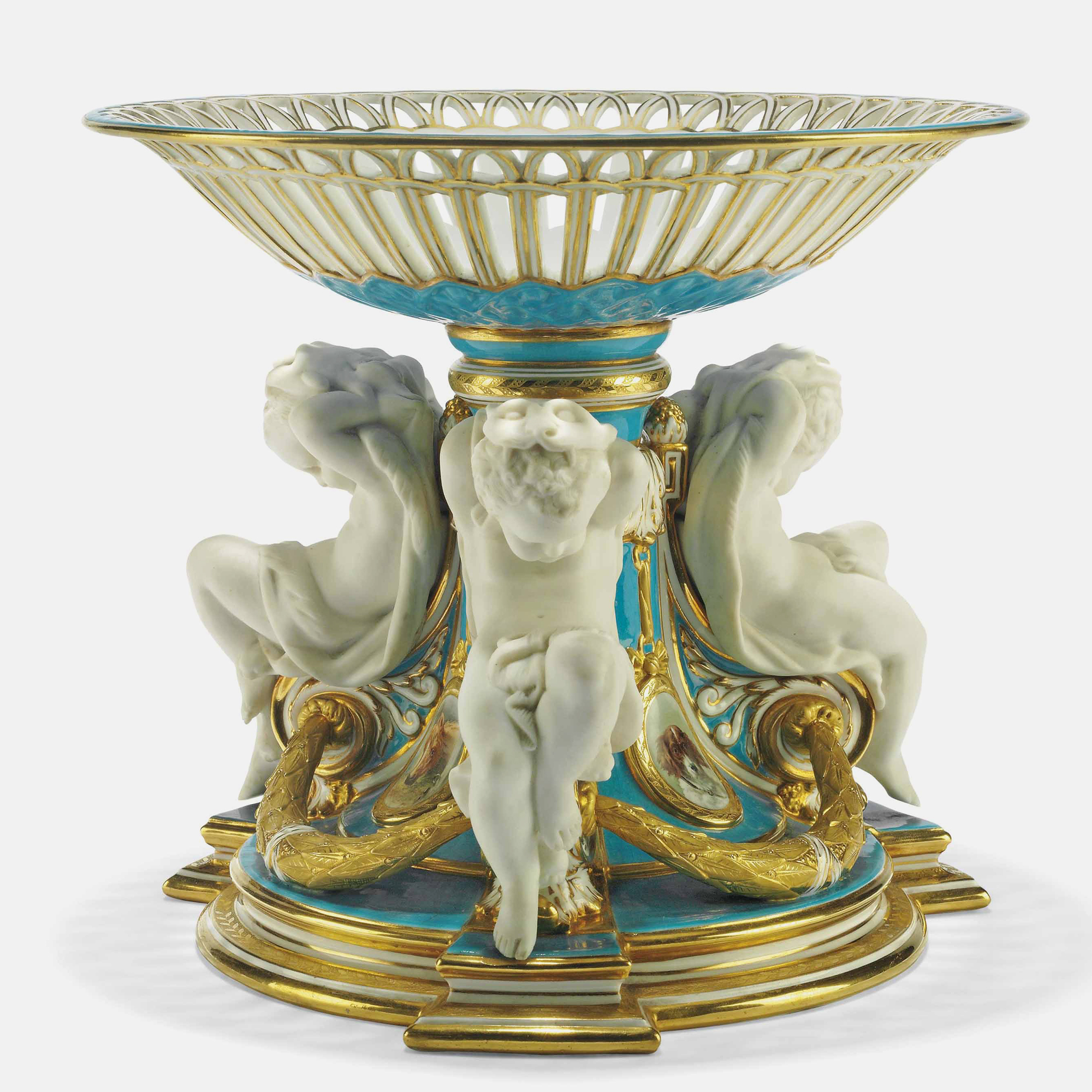
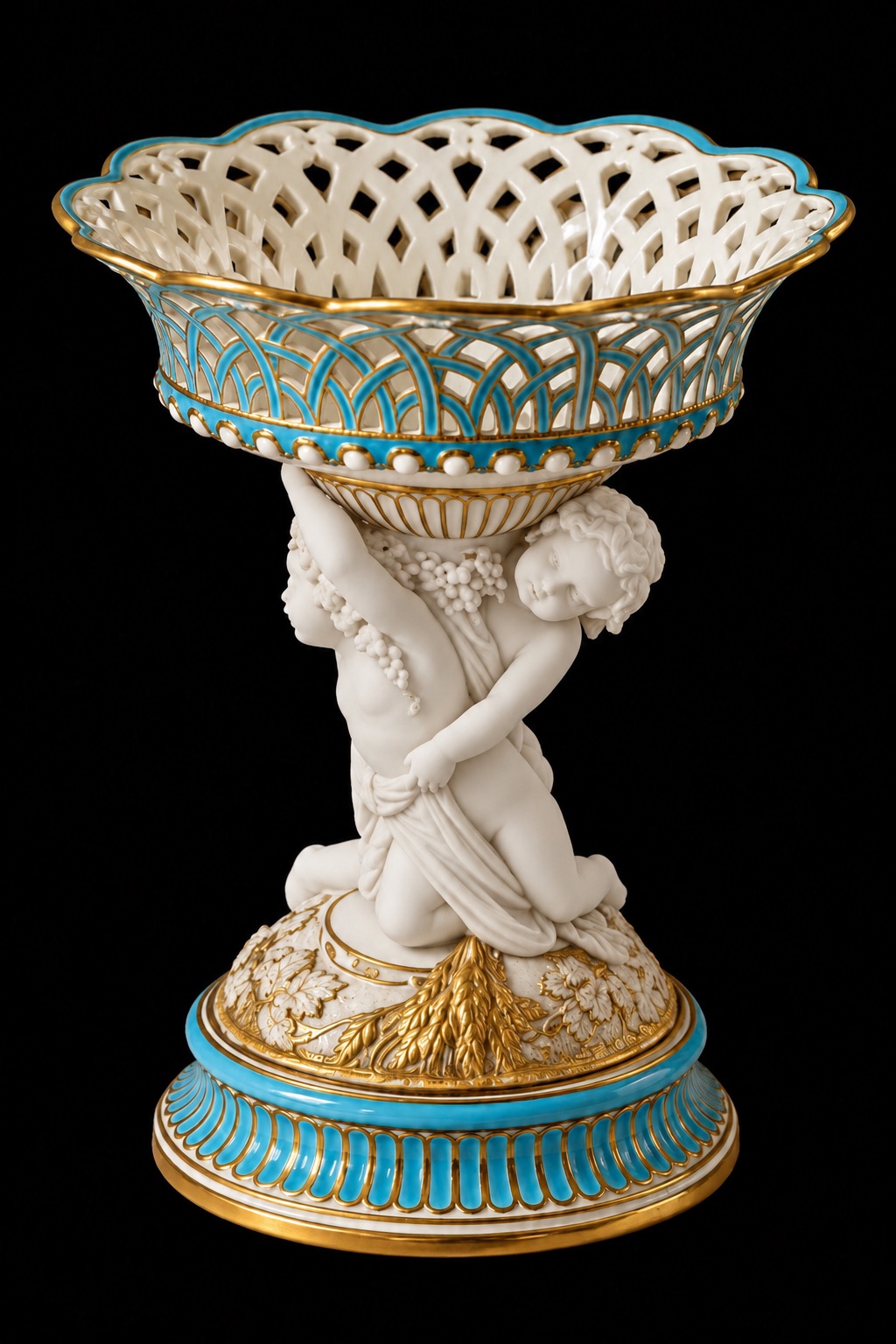
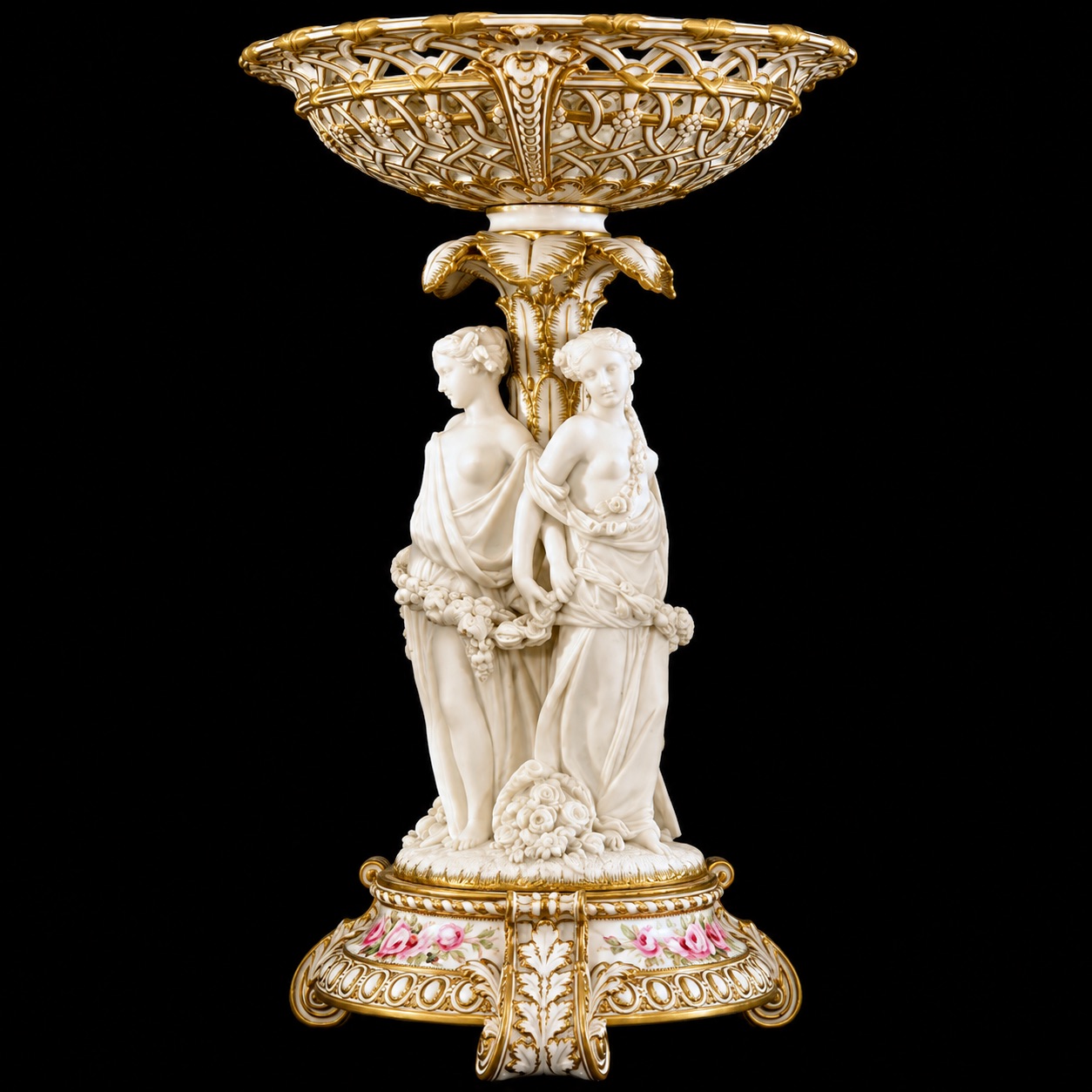
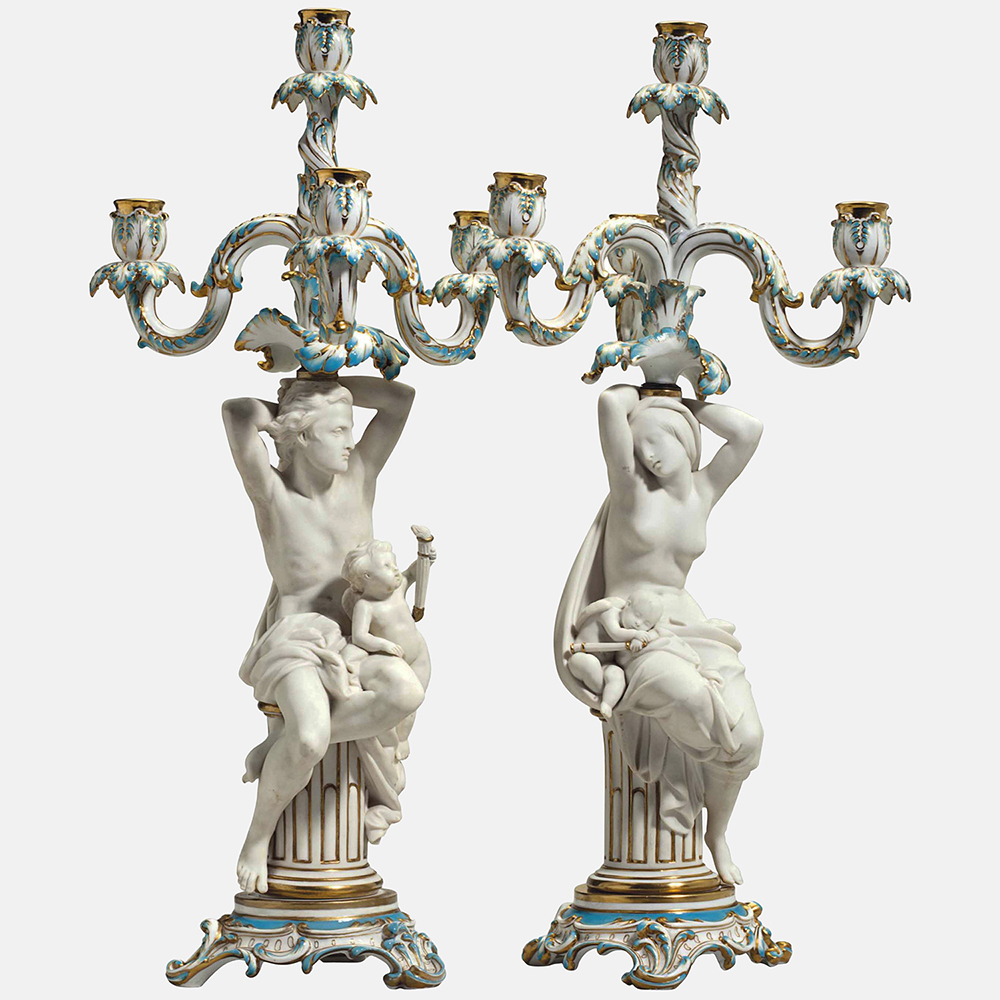
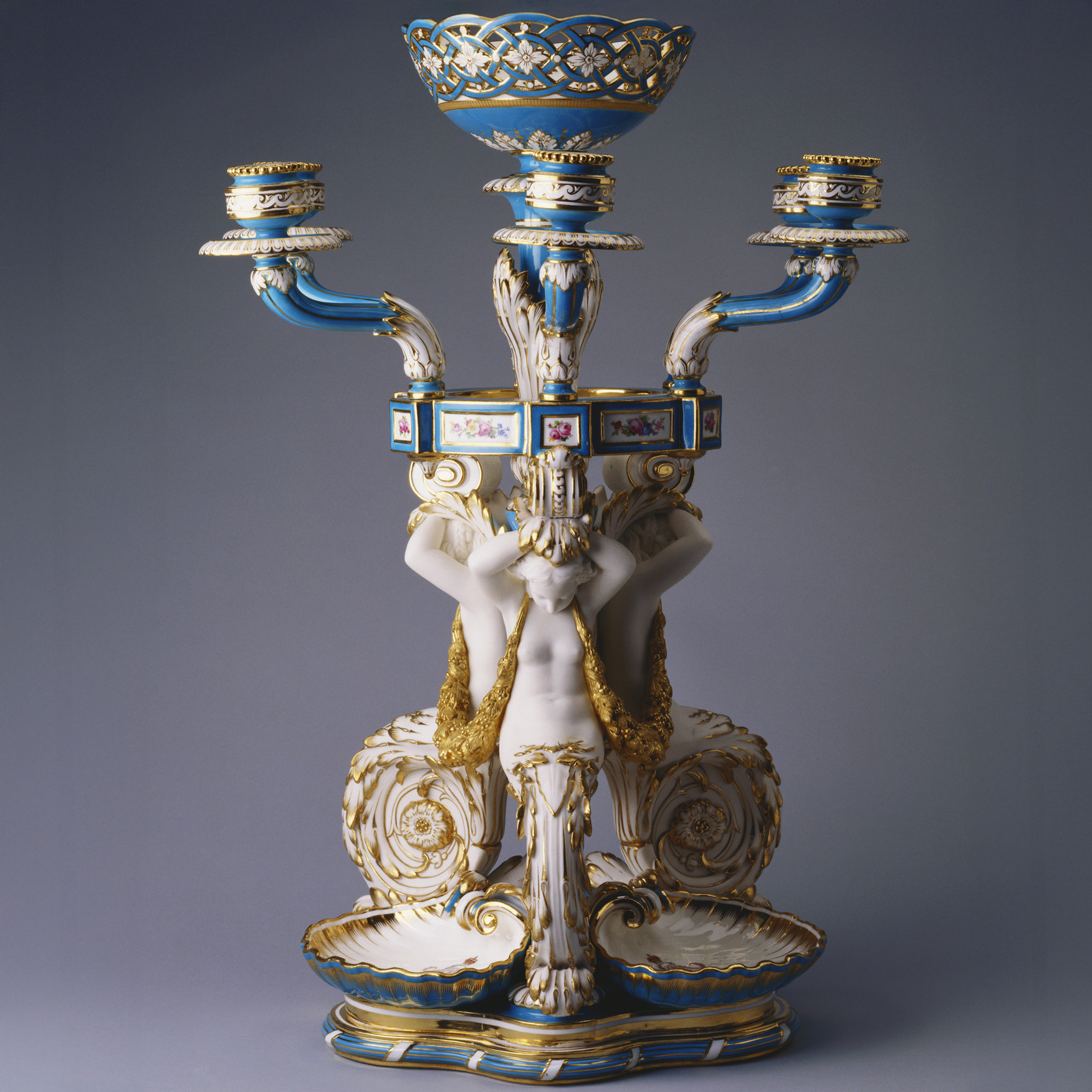
The 116-piece turquoise-ground porcelain and Parian dessert service manufactured by Minton was purchased by Queen Victoria at the Great Exhibition of 1851. This prestigious acquisition helped establish Minton as a leading manufacturer of luxury tableware for the following two decades. According to the official exhibition catalogue, 69 pieces of the service, subsequently known as the Victoria Service were presented by the Queen to the Emperor of Austria.
Each piece was individually decorated with cupids, flowers, or fruit against a vibrant turquoise ground inspired by the celebrated bleu céleste of the Sèvres porcelain manufactory. The service received widespread critical acclaim for its innovative combination of glazed bone china and Parian (unglazed porcelain) sculptural figures modeled by the French sculptor Pierre-Émile Jeannest.
Queen Victoria went on to order Minton turquoise-ground services for Windsor Castle and Balmoral, influencing the purchases of England’s aristocratic consumers, such as Col. Edward Gordon Douglas-Pennant (1800–86), later 1st Baron Penrhyn, who in 1859 ordered a Victoria service for Penrhyn Castle, Gwynedd. In 1864-5, the politician William Tatton Egerton (1806–83), created 1st Baron Egerton of Tatton in 1859, ordered a large Minton turquoise-ground dessert service with a double ‘E’ cipher under a baron’s coronet.
As the world’s leading experts on antique British and European porcelain, we provide FREE online appraisals and help with selling Minton parian and bone china. CONTACT US. We’ll be glad to assist.
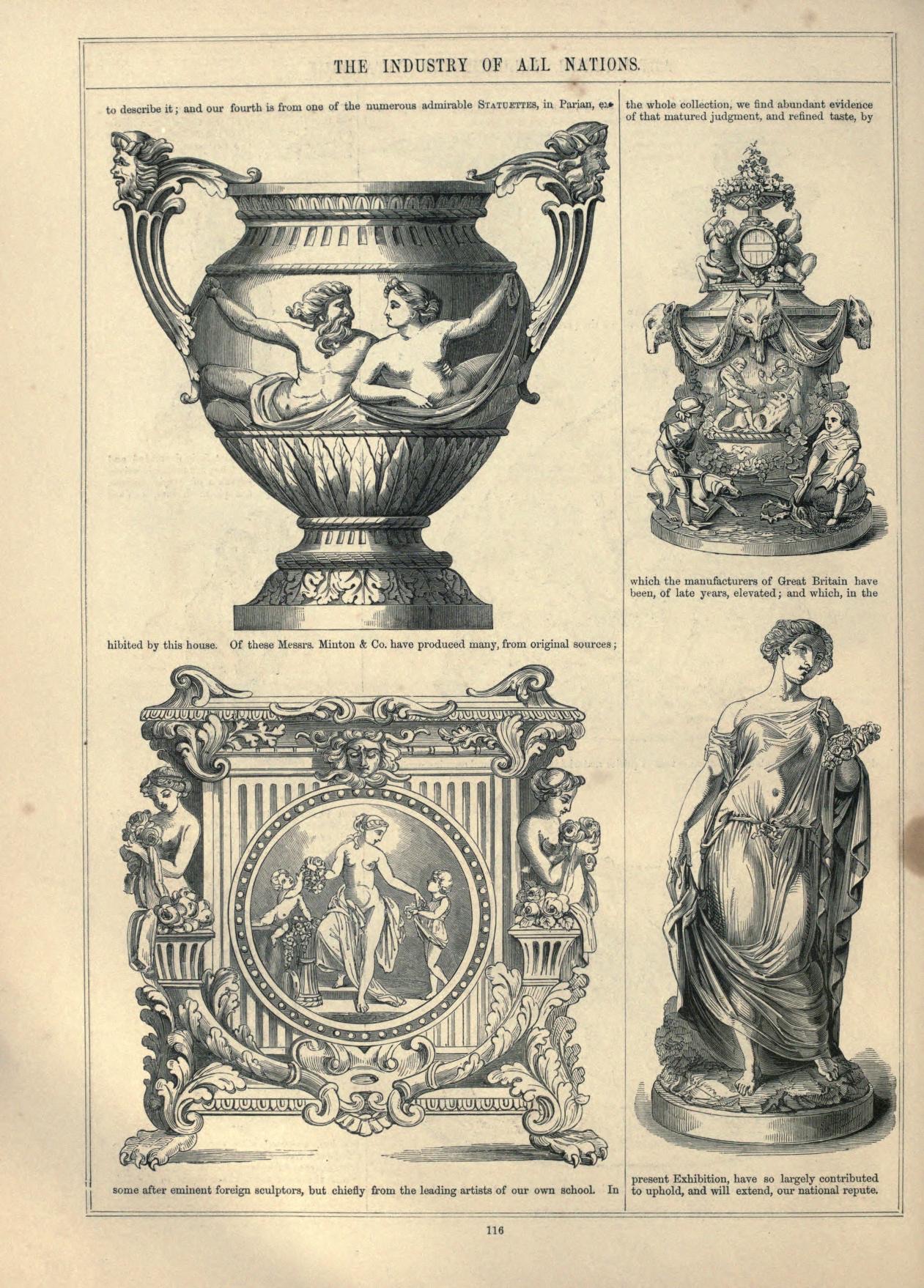
The following three pages from The Art-Journal document Minton’s display at the Great Exhibition of the Works of Industry of All Nations (1851), with particular emphasis on the celebrated Victoria Service

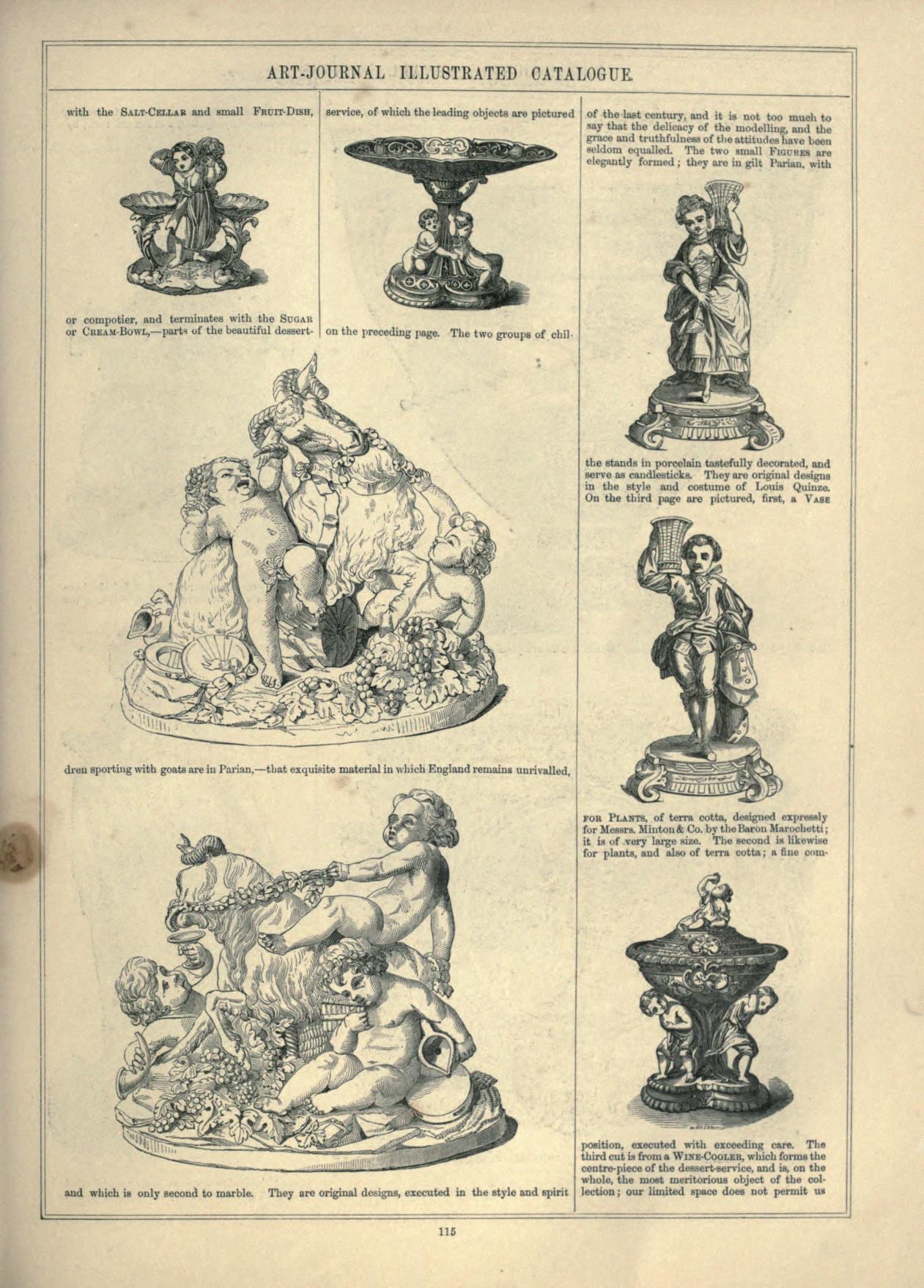

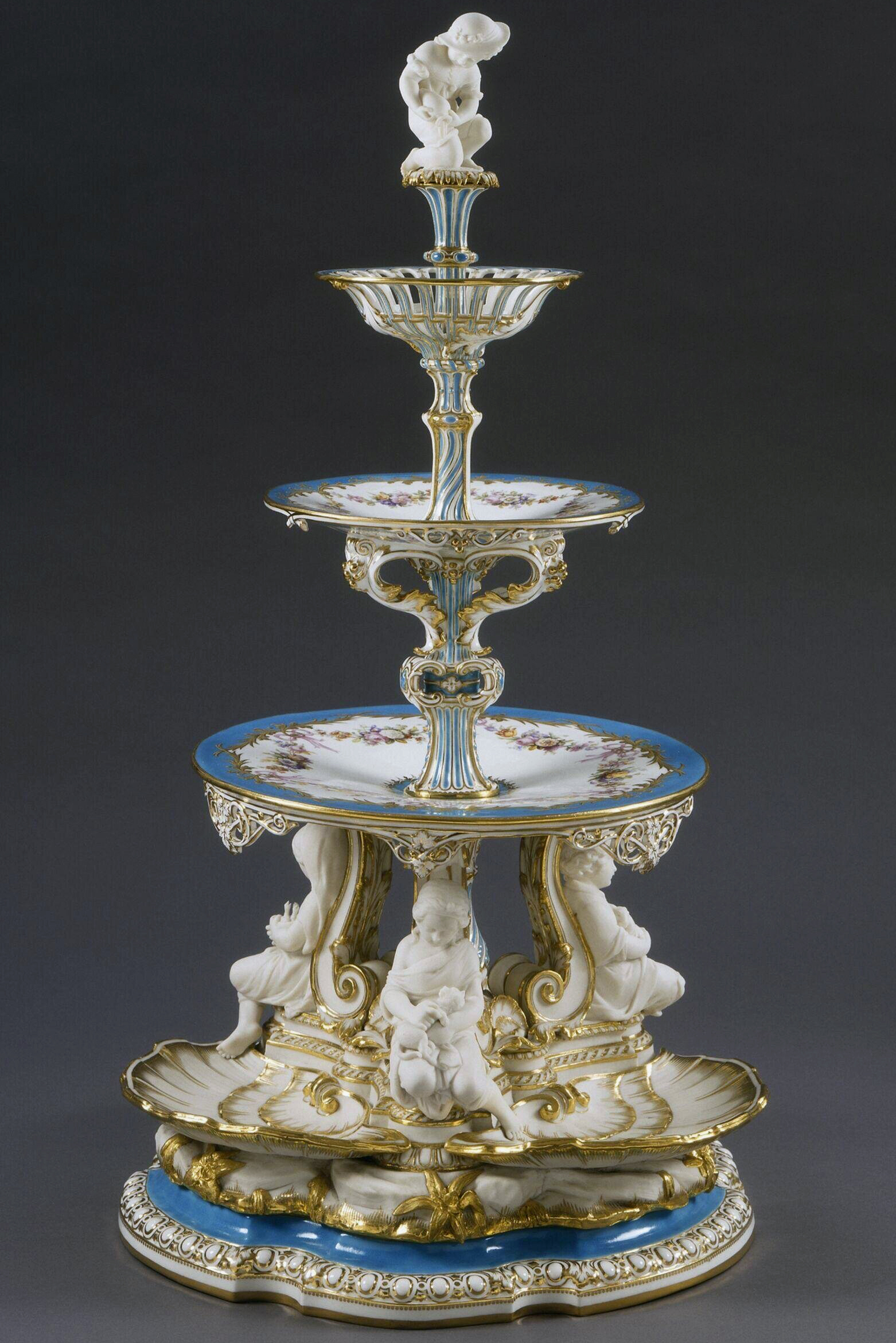


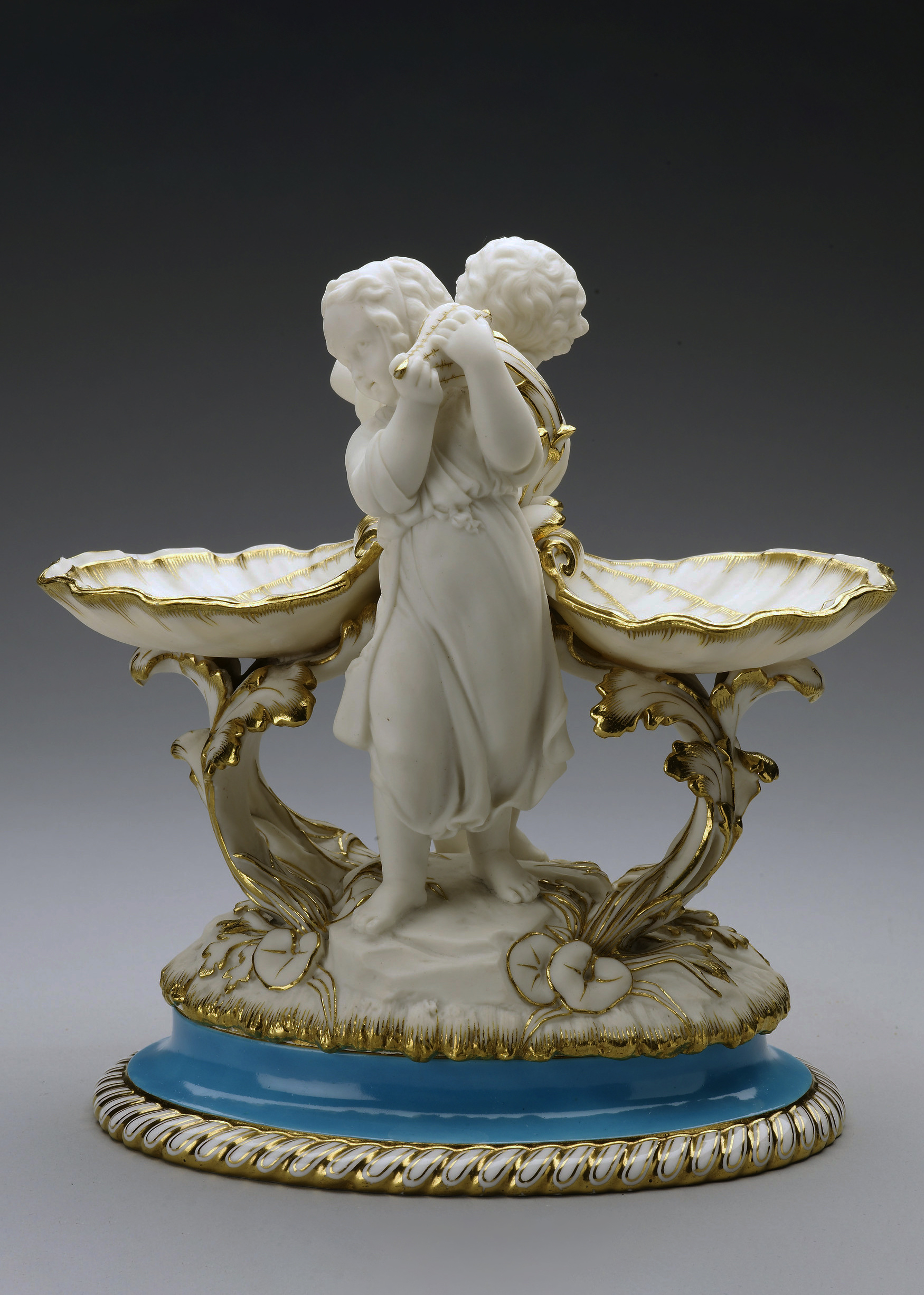

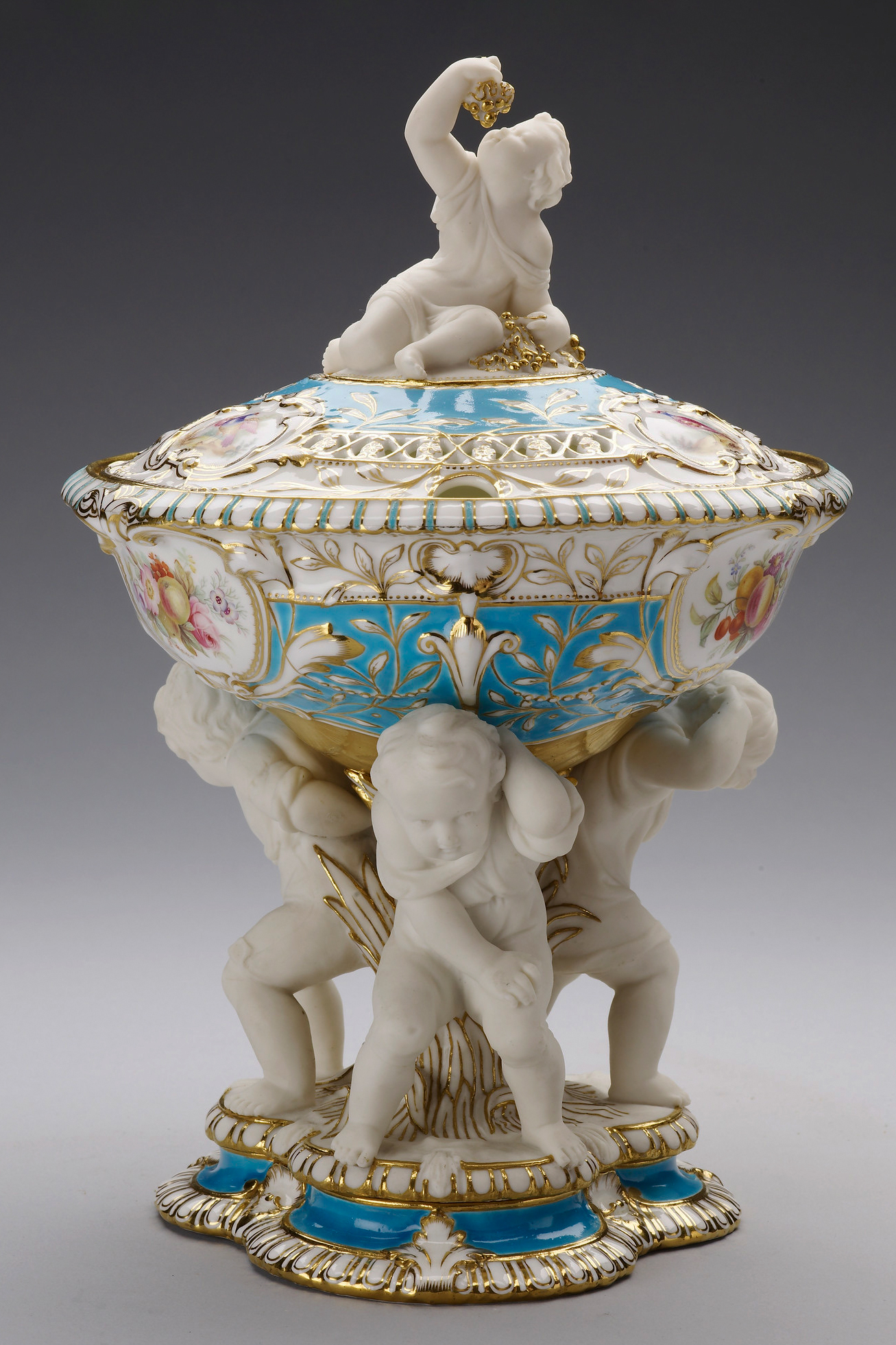
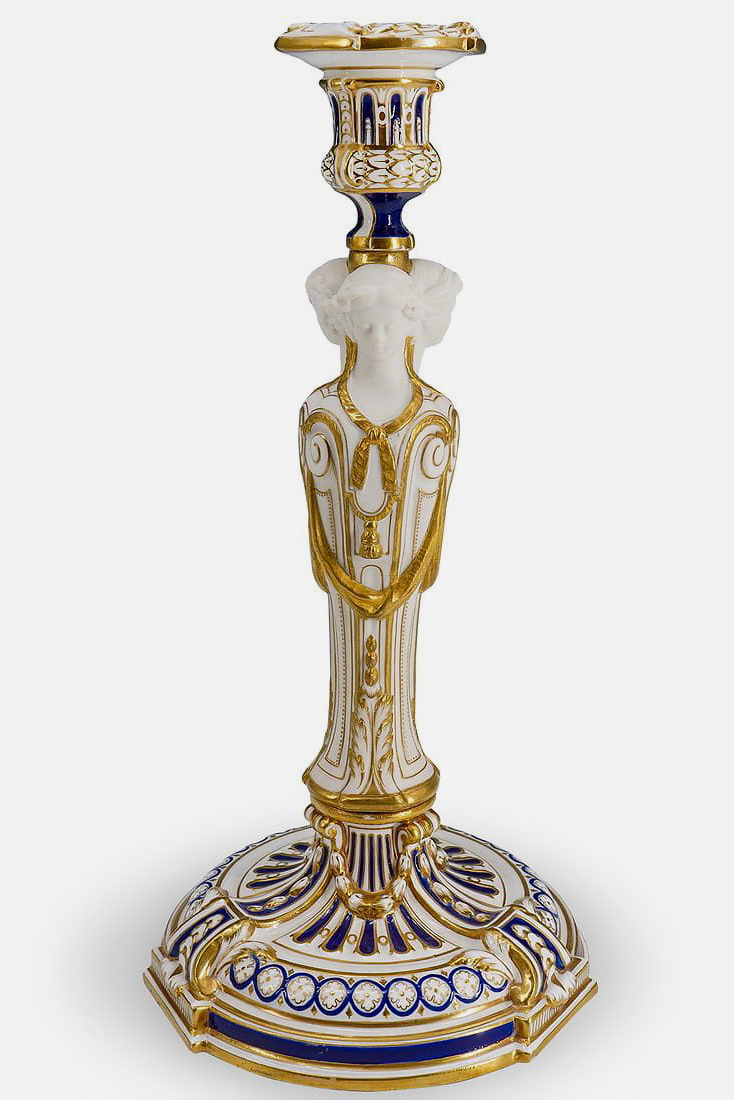
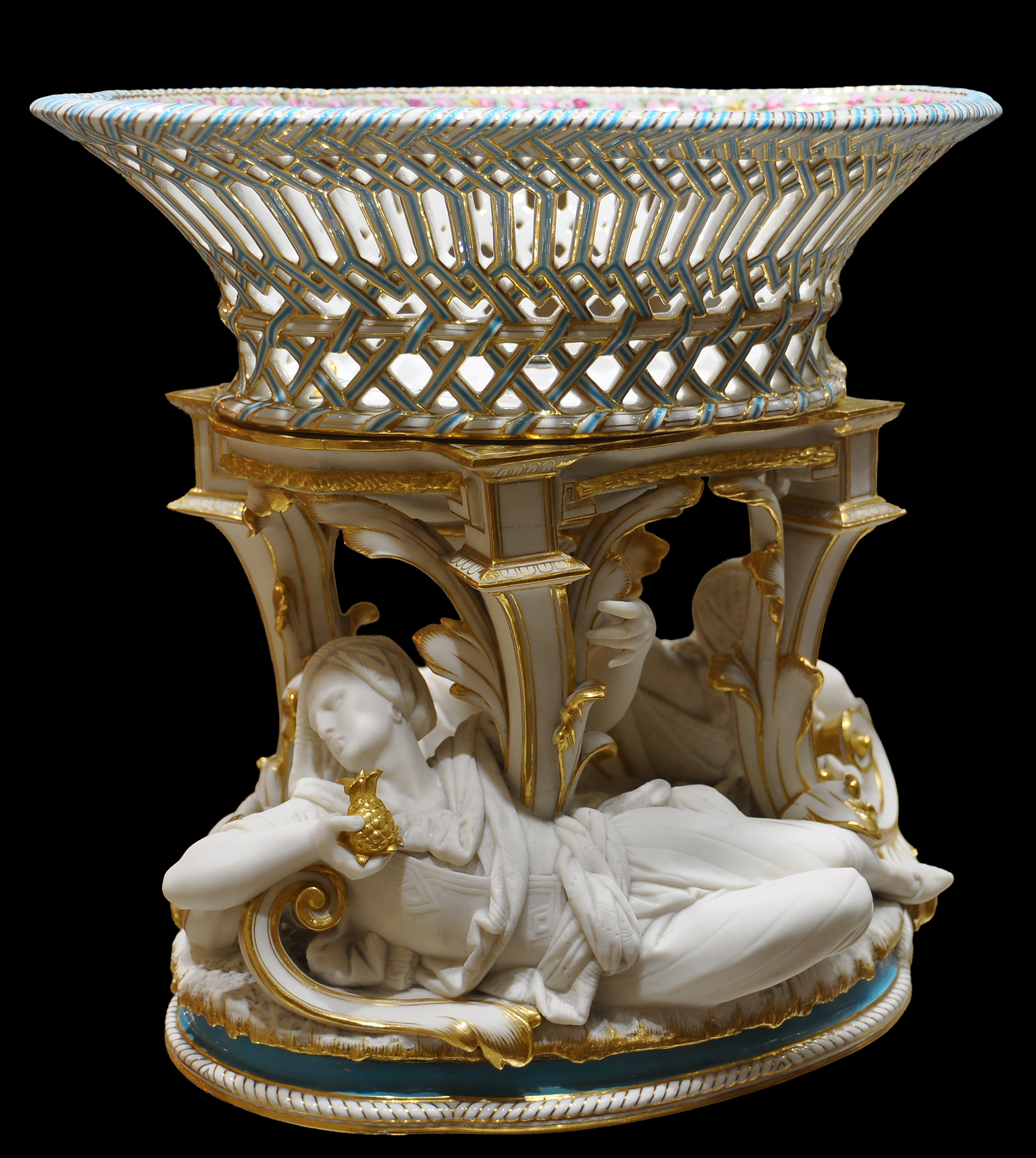
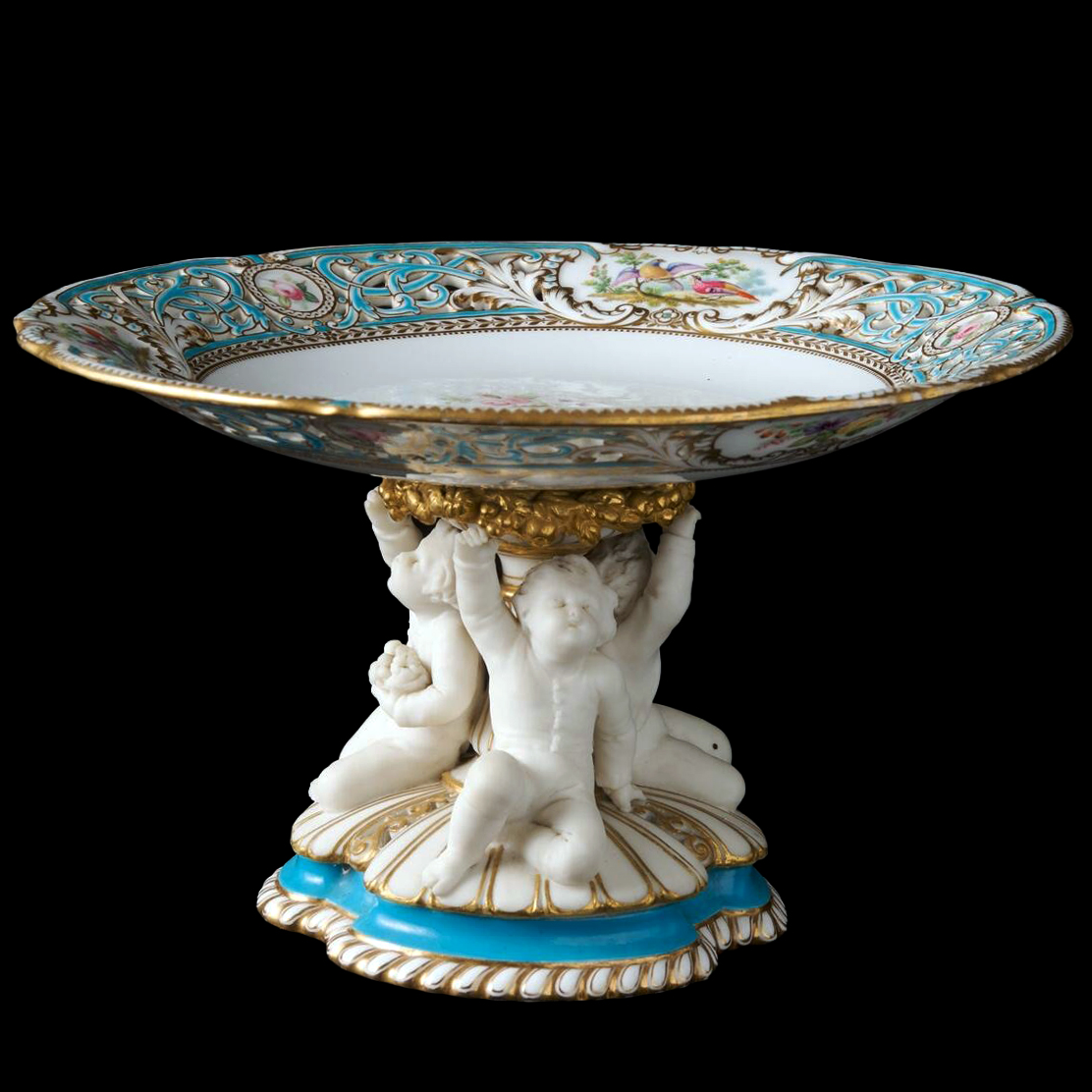

Although not originally part of the Victoria Pierced Service, the following shapes were either later additions to the service, earlier designs that influenced it, or subsequent creations inspired by it.