
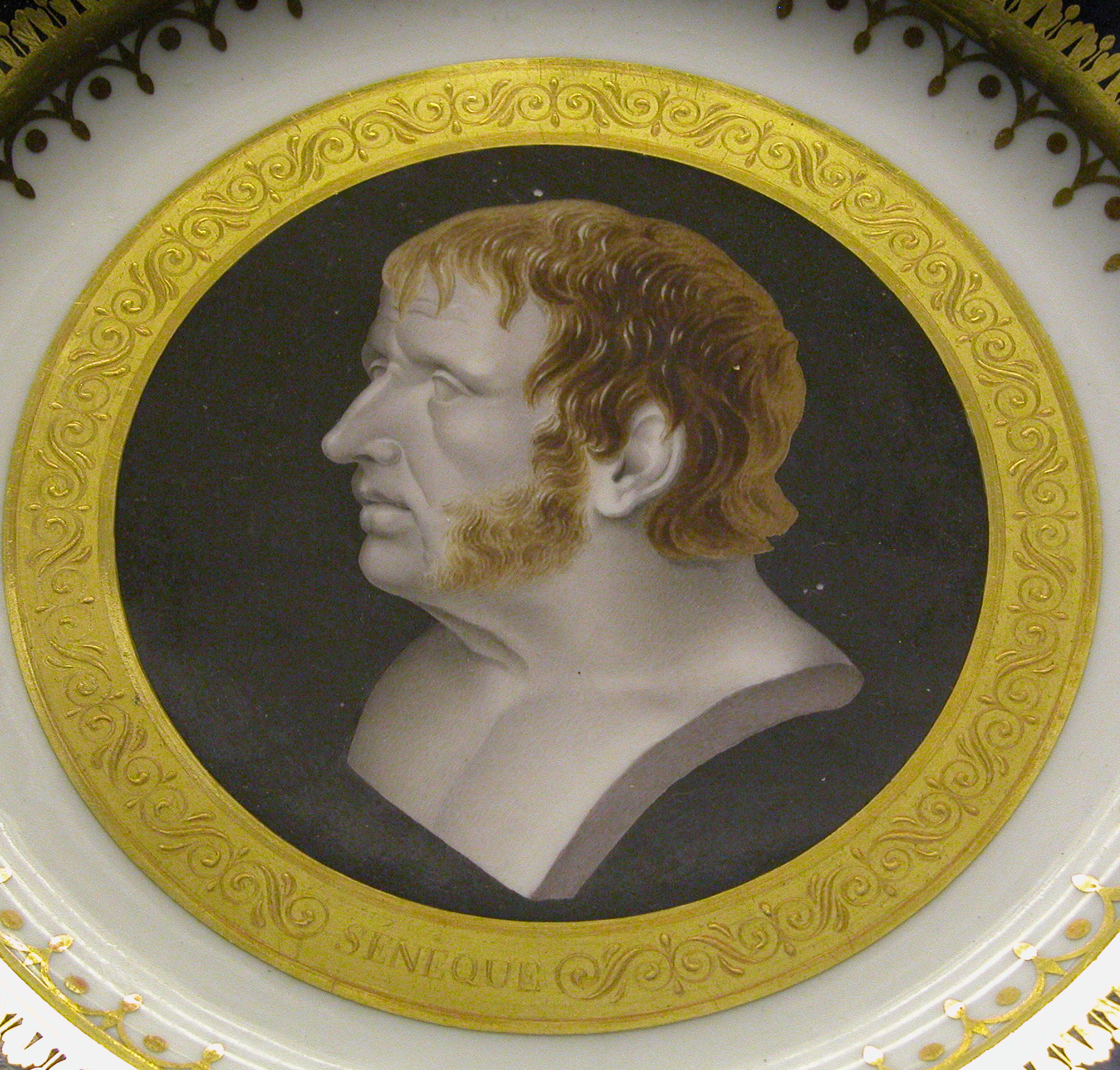
Seneca was a Stoic philosopher of Ancient Rome, a statesman and writer known for his plays, which are all tragedies. His prose works include 12 essays and 124 letters dealing with moral issues. These writings constitute one of the most important bodies of primary material for ancient Stoicism. As a tragedian, he is best known for plays such as his Medea, Thyestes, and Phaedra. Seneca had an immense influence on later generations—during the Renaissance he was “a sage admired and venerated as an oracle of moral, even of Christian edification; a master of literary style and a model fordramatic art.